Top 8 Security Compliance Certifications Companies Should Know in 2025 (Part 1)
    Compliance Guide 2025

    Top 8 Security Compliance Certifications Companies Should Know in 2025

    Building a great product is only half the battle. In 2025, security certifications are non-negotiable when doing business with enterprise clients.

    Part 1 of 2 • 8 min read

    Building a great product is only half the battle when it comes to landing enterprise clients. In 2025, security certifications are non-negotiable when doing business with large partners.

    Why, though? Because large clients, especially in sectors like finance, healthcare, and government, care deeply about one thing: risk. They need assurance that their data is safe, and that your business can be trusted to handle sensitive information responsibly.

    Key Insight

    Research indicates that companies holding certifications such as ISO 27001, SOC 2, or GDPR compliance are 50–70% more likely to secure enterprise-level deals.

    Whether you're a startup scaling rapidly or a mid-sized firm ready to expand, understanding the top security certifications relevant in 2025 is essential. This article explores the Top 8 Most Important Certifications & Frameworks software companies should consider to stay competitive and compliant.

    Table of Contents

    1. 1.Introduction: Why Certifications Matter
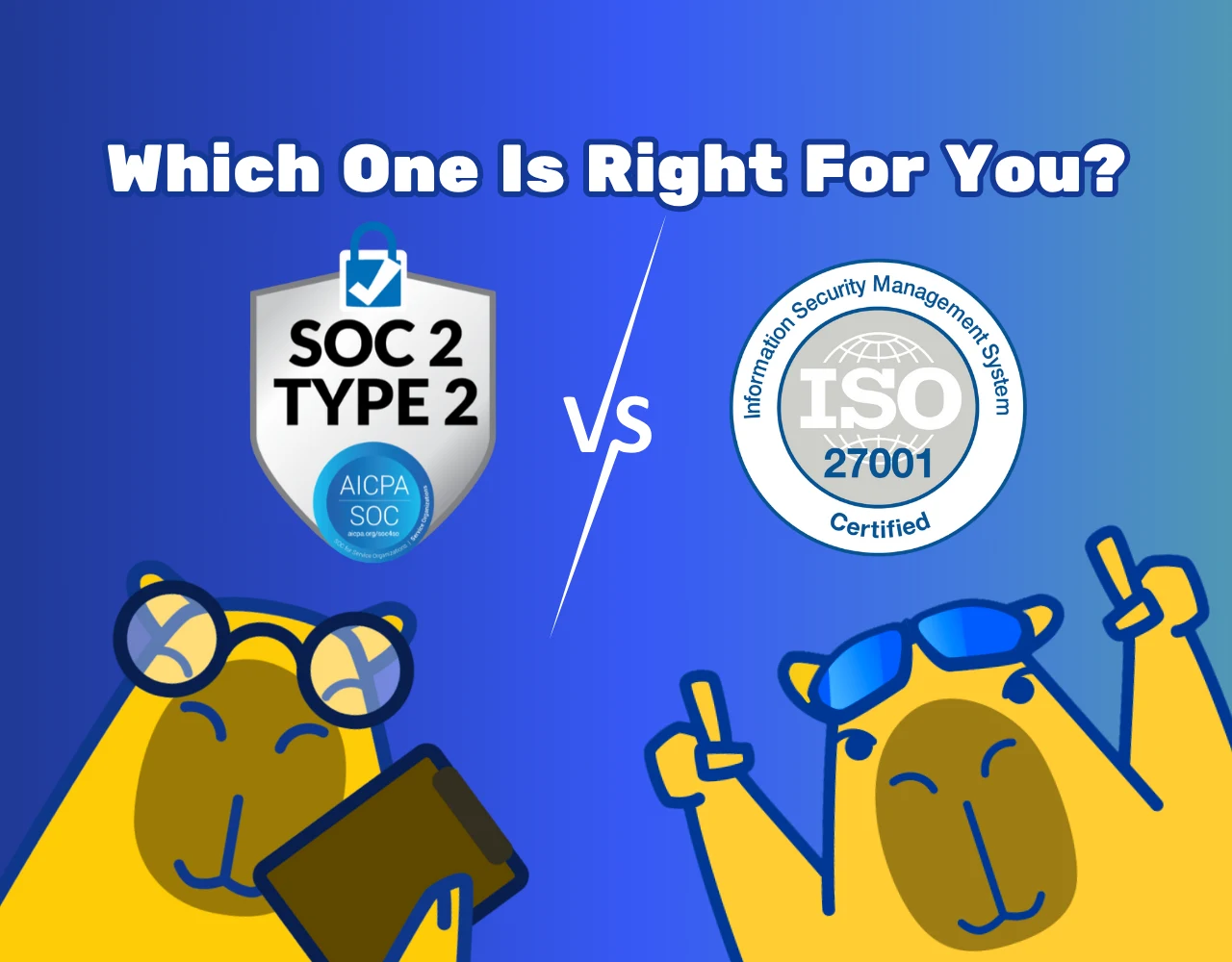
    2. 2.ISO 27001: The Gold Standard for Information Security
    3. 3.GDPR: For Handling EU Resident Data
    4. 4.CCPA & CPRA: California's Privacy Frameworks
    5. 5.SOC Compliance: The Trust Marker for B2B SaaS

    ISO 27001: The Gold Standard for Information Security

    ISO/IEC 27001 is the international benchmark for establishing an Information Security Management System (ISMS). Think of it as your company's comprehensive rulebook for how to protect data systematically.

    What It Covers:

    • Risk assessment and treatment processes: A systematic approach to identifying, analyzing, and mitigating information security risks. This forms the cornerstone of the ISMS.
    • Security policies and defined responsibilities: Clear guidelines and assigned roles for managing information security across all levels of the organization.
    • Controls for physical, technical, and organizational security: A comprehensive set of security measures covering everything from secure data centers and network configurations to employee training and incident response protocols. The latest 2022 version of ISO 27001 includes 93 controls organized into four main themes: Organizational, People, Physical, and Technological controls.
    • Continuous improvement cycles: The ISMS operates on a "Plan-Do-Check-Act" model, ensuring that security measures are constantly reviewed, updated, and improved in response to new threats and business changes.

    Why It Matters:

    • ISO 27001 is globally recognized and often requested in procurement checklists by enterprise clients, especially in Europe and Asia.
    • It helps companies demonstrate a risk-based approach to security management, which aligns well with evolving regulatory expectations worldwide.
    • For software companies, ISO 27001 certification signals maturity and a commitment to protecting customer data, which is crucial for building long-term partnerships.

    GDPR: For Handling EU Resident Data

    The General Data Protection Regulation (GDPR) is a data privacy and security law in the European Union (EU) that took effect in May 2018. It applies to any company processing personal data of individuals in the European Union, regardless of where the company is located.

    What It Covers:

    • Lawful Basis for Processing: Companies must have a valid legal basis (e.g., consent, contractual necessity) to process personal data.
    • Clear Communication about Data Processing: Privacy notices must be concise, transparent, intelligible, and easily accessible.
    • Data Subject Rights: Systems must enable users to exercise their rights, including access, rectification, erasure (the "right to be forgotten"), restriction of processing, data portability, and objection to processing.
    • Robust Security Measures: Companies must implement appropriate technical and organizational measures to ensure a level of security appropriate to the risk.
    • Data Protection Impact Assessments (DPIAs): Required for processing likely to result in a high risk to individuals' rights and freedoms.
    • Data Breach Notification: Strict requirements for notifying supervisory authorities and data subjects in the event of a personal data breach.

    Why It Matters:

    • Severe Fines for Non-Compliance: Fines can reach €20 million or 4% of global annual revenue, whichever is higher.
    • Market Entry and Business Relationships: Non-compliance can delay or outright block market entry into the EU. Many European clients will not engage with vendors who cannot demonstrate GDPR compliance, making it a critical prerequisite for doing business in one of the world's largest economies.
    • Emphasis on Data Subject Rights: GDPR emphasizes transparency, user consent, data minimization, and "privacy by design" and "privacy by default" principles. It empowers individuals with significant rights over their personal data.

    CCPA & CPRA: California's Privacy Frameworks

    The California Consumer Privacy Act (CCPA) and its update, the California Privacy Rights Act (CPRA), are U.S. state laws that give California residents enhanced control over their personal data.

    What It Covers:

    • Transparent Data Usage Disclosures: Businesses must clearly inform consumers about the categories of personal information collected, the purposes for which it is used, and categories of third parties with whom it is shared.
    • Mechanisms for Consumer Rights: Systems enabling consumers to exercise their rights, including the right to know (access), delete, correct, and opt-out of the sale or sharing of their personal information.
    • Clear Policies on Third-Party Data Sharing: Businesses must establish clear policies and contractual agreements with service providers and contractors regarding data handling.
    • Data Minimization & Retention: Companies must only collect personal information that is reasonably necessary and proportionate, and retain it only for as long as needed.
    • Designated Contact Methods: Provide clear ways for consumers to submit requests under CCPA/CPRA.

    Why It Matters:

    • Broad Applicability: Applies to any business doing business in California that meets specific thresholds (e.g., annual gross revenues over $25 million, or handling personal information of 100,000 or more California consumers/households).
    • Significant Fines and Lawsuits: Violations can lead to significant fines (e.g., $2,500 per violation, up to $7,500 for intentional violations) and class-action lawsuits for data breaches, especially if non-encrypted and non-redacted personal information is compromised.
    • Increased Consumer Rights: CPRA expands consumer rights, including the right to correct inaccurate personal information and the right to opt-out of sharing (not just selling) personal information.

    SOC Compliance: The Trust Marker for B2B SaaS

    SOC (System and Organization Controls) reports, particularly SOC 2, are essential for software companies handling customer data, especially those operating in the cloud or providing SaaS solutions. Developed by the American Institute of Certified Public Accountants (AICPA), SOC 2 reports provide a standardized way for service organizations to communicate their controls over security, availability, processing integrity, confidentiality, and privacy.

    What It Covers:

    SOC 2 evaluates controls based on five Trust Services Criteria (TSC), against which an independent auditor assesses the design and operating effectiveness of a service organization's controls:

    • Security (Mandatory): Protection against unauthorized access, use, or modification of information and systems. This includes common controls like access management, network firewalls, and intrusion detection.
    • Availability: The system is available for operation and use as committed or agreed. This covers areas like network uptime, disaster recovery, and operational monitoring.
    • Processing Integrity: System processing is complete, valid, accurate, timely, and authorized. Crucial for financial transaction processing or data analytics.
    • Confidentiality: Information designated as confidential is protected as committed or agreed. This could include intellectual property or customer data.
    • Privacy: Personal information is collected, used, retained, disclosed, and disposed of in conformity with the organization's privacy notice.

    Why It Matters:

    • Third-Party Attestation: It provides an independent, third-party attestation that your operational controls are effectively designed (Type I) or both designed and operating effectively over a period, typically 6-12 months (Type II).
    • Enterprise Client Requirement: Many enterprise customers, particularly in the U.S., require SOC 2 compliance as a prerequisite for vendor onboarding. It acts as a critical "check-the-box" requirement that can accelerate sales cycles.
    • Builds Trust and Confidence: By undergoing a rigorous external audit, companies demonstrate a serious commitment to data protection, building significant trust with clients and partners.
    • Improved Internal Controls: The process of preparing for a SOC 2 audit often leads to a strengthening of internal controls, better documentation, and a more mature security posture.

    SOC 2 is especially relevant for SaaS companies targeting the U.S. market and serves as a practical demonstration of operational security maturity.

    What's Next?

    These four certifications and frameworks—ISO 27001, GDPR, CCPA/CPRA, and SOC 2—form the foundation of modern compliance for software companies in 2025. Each serves a unique purpose and addresses different aspects of security and privacy.

    In Part 2 of this series, we'll explore additional critical certifications including HIPAA, PCI DSS, and emerging frameworks that are becoming increasingly important for specialized industries and markets.

    Remember: Compliance isn't just about checking boxes—it's about building trust with your customers, protecting their data, and positioning your company for sustainable growth in an increasingly regulated digital landscape.

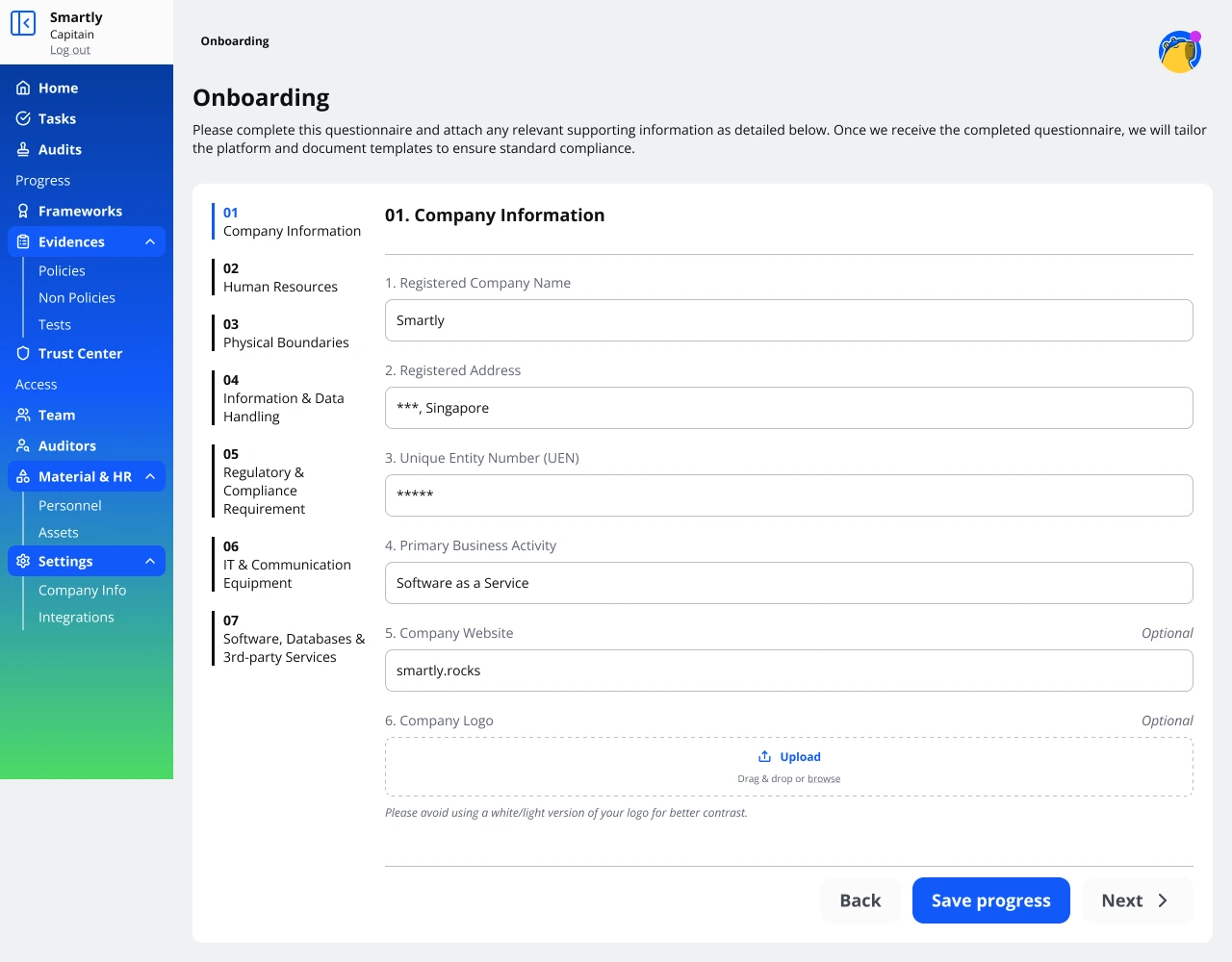
    Ready to cut audit prep by 80%?

    Streamline your ISO 27001 journey and build trust with Smartly today!

    });